

The Brain Defense: Murder in Manhattan ⎼ Article Plan
This plan details exploration of a compelling case, examining the intersection of legal proceedings and emerging neuroscience,
particularly regarding a Manhattan murder trial and associated PDF resources․
The legal system traditionally operates on concepts of free will and rational choice, yet advancements in neuroscience challenge these foundations․ “The Brain Defense: Murder in Manhattan” exemplifies this collision, exploring how understanding brain anatomy and function impacts criminal responsibility․ The case, detailed in available PDFs and ebooks, highlights a shift towards incorporating neurological evidence – brain scans and assessments – into courtroom arguments․
This intersection isn’t new, with early attempts to introduce brain evidence predating modern scanning technologies․ However, the sophistication of current neuroscientific tools demands a re-evaluation of legal precedents․ The book, and related resources, delve into the complexities of presenting this evidence to juries, navigating potential misinterpretations, and addressing ethical concerns surrounding brain data privacy․ It’s a rapidly expanding field, as noted by WHO, demanding careful consideration․
The Case: A Manhattan Murder and its Legal Ramifications
At the heart of “The Brain Defense” lies a specific Manhattan murder case, a focal point for examining the application of neuroscience in a real-world legal battle․ The case’s ramifications extend beyond the immediate verdict, prompting debate about diminished responsibility and the influence of neurological impairments on criminal behavior․ Available resources, including the book itself in PDF format, detail the defense’s strategy of utilizing brain scans and assessments to argue for a reduced charge or acquittal․
The prosecution, naturally, countered these arguments, challenging the validity and interpretation of the neuroscientific evidence․ The judge’s role became crucial – acting as a gatekeeper to ensure the presented evidence met legal standards․ This case, documented extensively, serves as a landmark example of the challenges and opportunities presented when brain science enters the courtroom, impacting future legal proceedings․
The Author: Kevin Davis and His Expertise
Kevin Davis, the author of “The Brain Defense,” brings a unique and valuable perspective to the intersection of law and neuroscience․ Identified as Kevin A․ Davis, his work delves into the complexities of applying brain science within the American courtroom system․ His expertise isn’t solely theoretical; the book, available as a PDF and in other formats, demonstrates a deep understanding of legal proceedings and the evolving role of neuroscientific evidence․
Davis meticulously examines the Manhattan murder case, providing a detailed account of the arguments presented and the challenges faced․ His background allows him to critically assess the validity of “neuromyths” and the potential for misinterpretation of brain data․ He offers a nuanced exploration of the ethical and legal considerations surrounding this emerging field, making his work essential reading for legal professionals and anyone interested in the future of criminal justice․
Understanding the Neuroscience at Play
This section explores the brain’s intricate functions, focusing on areas impacting behavior, decision-making, and criminal responsibility, as detailed within the PDF resource․
Basic Brain Anatomy and Function
The human brain, a remarkably complex organ, comprises billions of nerve cells intricately arranged to orchestrate thought, emotion, and physical actions․ These cells communicate via a sophisticated network, a “highway system” of nerves, enabling near-instantaneous communication throughout the body․
Understanding basic anatomy is crucial; the brain isn’t simply a homogenous mass․ Different regions specialize in distinct functions․ Sensory information is integrated, and motor responses directed, with higher vertebrates exhibiting advanced learning capabilities centered within the brain’s structure․
As explored in resources like “The Brain Defense,” a grasp of these fundamentals is essential for comprehending how neurological factors can potentially influence behavior and, consequently, legal considerations in cases like the Manhattan murder․ The brain’s complexity demands careful examination․
The Role of the Prefrontal Cortex in Criminal Behavior
The prefrontal cortex (PFC) is paramount in executive functions – planning, decision-making, impulse control, and understanding consequences․ Damage or impairment to this area, as potentially revealed through brain scans discussed in “The Brain Defense,” can significantly impact these abilities․
Neurological assessments explore whether deficits in PFC function contributed to a defendant’s actions․ Reduced activity or structural abnormalities might correlate with diminished capacity for rational thought and behavioral regulation․ This doesn’t excuse criminal acts, but it can raise questions about culpability․
The legal ramifications hinge on establishing a link between PFC dysfunction and the specific crime․ Understanding neurotransmitter influence, also vital, helps explain how brain chemistry affects decision-making processes, potentially influencing criminal behavior and legal defense strategies․
Neurotransmitters and Their Influence on Decision-Making
Neurotransmitters, chemical messengers in the brain, profoundly impact decision-making processes․ Dopamine, linked to reward and motivation, can drive impulsive behaviors․ Serotonin regulates mood and impulse control; deficiencies may correlate with aggression․ Norepinephrine influences alertness and the “fight or flight” response․
“The Brain Defense” likely explores how imbalances in these neurotransmitters, potentially identified through neurological assessments, might contribute to criminal behavior․ These imbalances don’t negate responsibility, but they offer insights into the biological underpinnings of actions․
Legal arguments may center on whether neurotransmitter dysregulation substantially impaired a defendant’s ability to make rational choices․ Establishing this link requires robust scientific evidence and careful interpretation, navigating the complexities of brain chemistry and its influence on behavior․
Neurological Impairments and Criminal Responsibility
The core question revolves around diminished capacity: can neurological impairments mitigate criminal responsibility? Damage to the prefrontal cortex, crucial for impulse control and planning, is often cited․ Tumors, lesions, or developmental abnormalities can also affect brain function․
“The Brain Defense” likely examines cases where defendants presented evidence of such impairments, arguing they lacked the mens rea – the guilty mind – required for conviction․ However, a neurological deficit doesn’t automatically absolve guilt; the link to the crime must be established․
Courts grapple with determining the degree to which a neurological condition influenced the defendant’s actions․ This involves assessing the severity of the impairment and its direct impact on their ability to understand the wrongfulness of their conduct, a complex legal and scientific challenge․

The Dawn of Neuroscience in Courtrooms
Initially met with skepticism, brain evidence slowly gained traction, evolving from fringe science to a legitimate, though often debated, component of legal strategy and analysis․
Historical Context: Early Attempts to Introduce Brain Evidence
The integration of neuroscience into legal proceedings wasn’t immediate․ Early attempts, predating advanced scanning technologies, relied on observations of brain damage correlating with behavioral changes․ Phrenology, though discredited, represented a nascent effort to link brain structure to personality and propensity for criminal acts․
Throughout the 20th century, cases involving head injuries and demonstrable neurological impairments began to surface, prompting legal teams to argue diminished capacity․ However, these arguments often lacked the scientific rigor demanded by courts․ The advent of electroencephalography (EEG) offered a glimpse into brain activity, but its interpretation remained subjective and prone to misrepresentation․
These initial forays were largely unsuccessful, facing resistance from judges and juries unfamiliar with the complexities of the brain․ Establishing a clear causal link between neurological factors and criminal behavior proved exceptionally challenging, hindering the acceptance of brain-based defenses․ The groundwork, however, was being laid for the more sophisticated neuroscientific arguments that would emerge later․
The Evolution of Neuroscientific Evidence in Legal Cases
The late 20th and early 21st centuries witnessed a paradigm shift with the introduction of neuroimaging technologies like PET and fMRI scans․ These tools offered unprecedented views of brain structure and function, fueling a surge in neuroscientific evidence presented in courtrooms․ Initial cases focused on mitigating circumstances, such as brain tumors or traumatic brain injuries impacting impulse control;
Landmark cases began to explore the implications of neurological deficits on culpability, moving beyond simple injury claims․ The focus expanded to include conditions like antisocial personality disorder and the role of neurotransmitters in aggressive behavior․ However, challenges persisted regarding the interpretation of scan results and establishing a direct link to criminal intent․
The “Brain Defense,” exemplified by cases like the Manhattan murder, represents a crucial stage in this evolution, pushing the boundaries of legal and scientific understanding․
Challenges in Presenting Neuroscience to Juries
Presenting complex neuroscientific evidence to juries poses significant hurdles․ Jurors, often lacking specialized scientific backgrounds, can struggle to grasp the intricacies of brain anatomy, neurotransmitter functions, and the limitations of neuroimaging techniques․ The risk of “neuromyths” – popular misconceptions about the brain – influencing decision-making is substantial․
Visualizations like brain scans, while compelling, can be easily misinterpreted as definitive proof of a defendant’s predisposition to criminal behavior, rather than indicators of potential vulnerabilities․ Attorneys face the challenge of simplifying complex concepts without oversimplifying to the point of inaccuracy․
Furthermore, establishing a causal link between neurological factors and specific criminal acts remains a major obstacle․ The potential for jurors to be swayed by the “wow factor” of brain scans, rather than focusing on traditional evidence, necessitates careful and balanced presentation․
Specific Neuroscientific Arguments in the Manhattan Case
The defense leveraged brain scans and assessments, aiming to demonstrate neurological impairments impacting the defendant’s decision-making capacity during the Manhattan murder․
Defense Strategy: Utilizing Brain Scans and Neurological Assessments

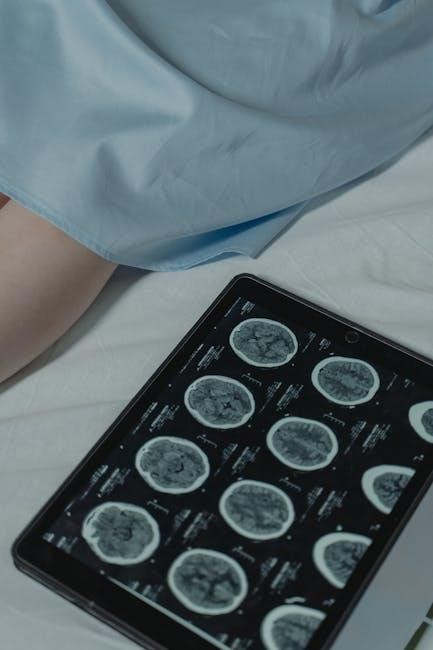
The core of the defense hinged on presenting neuroscientific evidence – specifically, detailed brain scans (likely fMRI and potentially PET scans) – to illustrate potential anomalies in the defendant’s brain structure and function․ These scans aimed to reveal impairments within the prefrontal cortex, a region crucial for impulse control, planning, and moral reasoning․
Neurological assessments, conducted by expert witnesses, sought to correlate these scan findings with behavioral patterns exhibited by the defendant․ The strategy wasn’t to claim insanity, but rather to argue for diminished capacity, suggesting the defendant’s ability to fully comprehend the consequences of their actions was compromised․
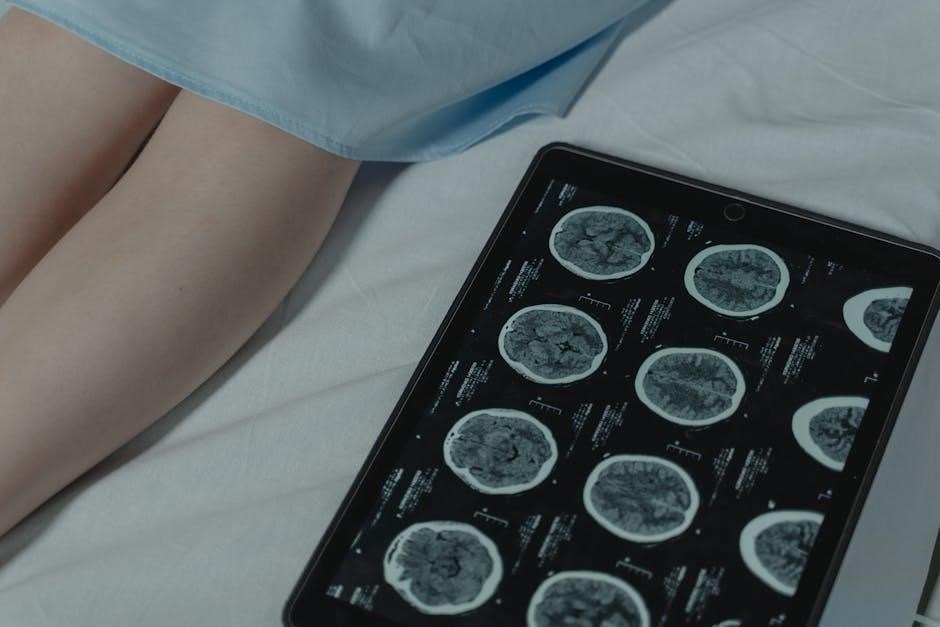
The defense team likely focused on neurotransmitter imbalances, potentially linking them to aggressive tendencies or impaired judgment․ Presenting this evidence as a challenge to the traditional understanding of criminal responsibility was central to their approach, hoping to sway the jury towards a lesser charge or reduced sentencing․
Prosecution Response: Countering the Neuroscience Arguments
The prosecution vigorously challenged the validity and relevance of the defense’s neuroscientific evidence․ They likely argued that brain scans, while visually compelling, are open to interpretation and don’t definitively prove a causal link between neurological anomalies and criminal behavior․ Experts were brought in to highlight the limitations of current neuroimaging technology and the potential for “neuromyths” – oversimplified or inaccurate understandings of brain function․
A key tactic involved emphasizing the defendant’s premeditation and planning, suggesting a level of cognitive function inconsistent with severely impaired impulse control․ The prosecution likely argued that the scans revealed correlations, not causations, and that the defendant’s actions demonstrated a clear understanding of right and wrong․
Furthermore, they would have stressed the danger of allowing neuroscience to become a “get out of jail free” card, potentially undermining the principles of accountability and justice․
The Judge’s Role: Gatekeeping Neuroscientific Evidence
The judge faced a critical task: determining the admissibility of complex neuroscientific evidence․ This involved acting as a “gatekeeper,” ensuring the presented information met established legal standards for scientific reliability – the Daubert Standard being prominent․ The judge had to assess whether the methodologies used to obtain and interpret the brain scans were scientifically sound and generally accepted within the relevant scientific community․
This included scrutinizing the qualifications of the expert witnesses, the validity of the testing procedures, and the potential for error or bias․ The judge likely held Daubert hearings, allowing both sides to present arguments regarding the scientific validity of the evidence․
Ultimately, the judge’s rulings significantly shaped the scope of evidence the jury could consider, impacting the trial’s outcome and setting a precedent for future cases involving neuroscience․

Ethical and Legal Considerations
Examining potential pitfalls, including neuromyths, data privacy concerns surrounding brain scans, and the broader implications for criminal justice are crucial for responsible application․
The Risk of Neuromyths and Misinterpretations
A significant challenge lies in combating pervasive neuromyths – inaccurate or oversimplified beliefs about the brain․ These misconceptions can easily infiltrate legal proceedings, potentially swaying jurors with pseudo-scientific explanations of criminal behavior․ The complexity of neuroscience demands careful translation for a lay audience, yet even then, misinterpretations are common․
For instance, attributing criminal acts solely to brain abnormalities risks diminishing individual responsibility and overlooking crucial socio-economic factors․ Overstating the certainty of brain scan interpretations, or presenting correlation as causation, can lead to unjust outcomes․ The “brain defense,” while potentially valid in specific cases, requires rigorous scientific backing and cautious presentation to avoid fueling public misunderstanding and eroding trust in the legal system․ Accurate information, like that found in resources detailing the case, is paramount․
Privacy Concerns Regarding Brain Data
The increasing use of neuroscientific evidence raises profound privacy concerns․ Brain scans and neurological assessments generate highly sensitive, personal data revealing intimate details about an individual’s cognitive and emotional state․ Protecting this information from unauthorized access, misuse, or discriminatory practices is crucial․
Storing and sharing brain data necessitates robust security protocols and clear legal frameworks governing its use in legal contexts․ Concerns exist regarding potential future applications – could this data be used for predictive policing, insurance discrimination, or even to pre-judge an individual’s propensity for criminal behavior? The ethical implications demand careful consideration, ensuring that the pursuit of justice doesn’t infringe upon fundamental rights to mental privacy․ Resources detailing “The Brain Defense” highlight the need for responsible data handling․
The Future of Neuroscience and Criminal Justice
Neuroscience’s role in criminal justice is poised for significant expansion․ Advancements in brain imaging and genetic research promise more refined understandings of criminal behavior, potentially influencing sentencing, rehabilitation programs, and preventative strategies․ However, integrating these findings requires cautious optimism and rigorous validation․
Future legal battles, like the case explored in “The Brain Defense,” will likely see increasingly sophisticated neuroscientific arguments․ Establishing clear standards for admissibility of evidence, addressing potential biases, and educating legal professionals about neuroscience will be paramount․ The field of brain health is rapidly evolving, demanding continuous adaptation of legal frameworks to ensure fairness and accuracy․ Ultimately, the goal is to leverage neuroscience to create a more just and effective criminal justice system, while safeguarding individual rights․
Impact and Legacy of “The Brain Defense”
The book sparked debate on neuroscience’s legal application, influencing subsequent cases and shifting public perception regarding the brain’s role in criminal acts․
Influence on Subsequent Legal Cases
“The Brain Defense” catalyzed a noticeable shift in how courts approached cases involving neuroscientific evidence․ Following its publication and the attention surrounding the Manhattan murder trial, legal teams increasingly sought to introduce brain scans and neurological assessments to support defense strategies․ While not always successful, these attempts broadened the scope of admissible evidence, prompting judges to grapple with the complexities of interpreting brain data․

Several subsequent cases saw arguments mirroring those presented in the Manhattan case, particularly concerning diminished capacity and the impact of neurological impairments on criminal responsibility․ The book served as a crucial reference point for legal scholars and practitioners, fostering discussions about the ethical and legal boundaries of utilizing neuroscience in the courtroom․ It highlighted the need for standardized protocols and expert testimony to ensure the reliability and validity of neuroscientific evidence, ultimately shaping the evolving landscape of forensic neuroscience․
Public Perception of Neuroscience and Crime

“The Brain Defense” significantly impacted public understanding of the relationship between neuroscience and criminal behavior․ The case, and the book detailing it, moved the conversation beyond simplistic notions of free will and personal responsibility, introducing the idea that neurological factors could contribute to criminal actions․ This sparked widespread debate, challenging conventional views on culpability and punishment․
Media coverage of the trial and subsequent discussions surrounding the book fueled public fascination with brain science․ However, it also raised concerns about the potential for “neuromyths” – misinterpretations of complex scientific findings․ The public began to question the reliability of brain scans as definitive proof of guilt or innocence, recognizing the potential for bias and misrepresentation․ This increased awareness prompted a demand for more accessible and accurate information about the brain and its role in human behavior, fostering a more nuanced public discourse on crime and justice․