

Carnegie Hall Seating Chart PDF: A Comprehensive Guide
Discover the official, free Carnegie Hall seating chart PDF, meticulously updated for ease of use! Navigate our detailed map to pinpoint your perfect seat within iconic venues like Isaac Stern Auditorium and Judy and Arthur Zankel Hall.
Carnegie Hall, a legendary concert venue located in New York City, presents a unique seating experience across its three distinct halls: Isaac Stern Auditorium, Judy and Arthur Zankel Hall, and Weill Recital Hall. Understanding the layout of each space is crucial for selecting the best seats to fully appreciate a performance.
Navigating Carnegie Hall’s seating can initially seem complex, but resources like the official seating chart PDF simplify the process. This guide provides a comprehensive overview, detailing each section within the Isaac Stern Auditorium and Zankel Hall, helping you identify optimal viewing locations. Factors like proximity to the stage, elevation, and potential obstructions all play a role in your enjoyment.
Accessing the official PDF, available on carnegiehall.org, allows you to visualize the seating arrangements and understand the nuances of each level. Whether you prioritize being close to the performers or prefer a broader perspective, the seating chart empowers you to make an informed decision. Contacting Carnegie Hall directly at 212-247-7800 can also provide personalized assistance.
Understanding the Carnegie Hall Venues
Carnegie Hall comprises three distinct venues, each offering a unique acoustic and visual experience. The Isaac Stern Auditorium/Ronald O. Perelman Stage, the largest, hosts grand orchestral performances and features multiple tiers – Parquet, First Tier, Second Tier, and Dress Circle – each with varying perspectives.
Judy and Arthur Zankel Hall, a more intimate space, is ideal for chamber music and contemporary performances. It features a main floor and balcony seating arrangement. Understanding the specific layout of each hall is vital when consulting the Carnegie Hall seating chart PDF.
The PDF details the capacity and characteristics of each section, including potential obstructions or limited legroom. Knowing the venue’s configuration allows you to choose seats that align with your preferences, whether you desire a close-up view or a broader overview of the stage. Resources on carnegiehall.org and direct contact at 212-247-7800 can further clarify venue specifics.

Isaac Stern Auditorium/Ronald O. Perelman Stage Seating
Explore detailed seating options within the iconic Isaac Stern Auditorium, utilizing the Carnegie Hall seating chart PDF for optimal views and informed choices.
Overview of the Isaac Stern Auditorium
The Isaac Stern Auditorium/Ronald O. Perelman Stage, Carnegie Hall’s premier performance space, boasts a rich history and renowned acoustics. Understanding its layout is crucial for selecting the best seats, and the official Carnegie Hall seating chart PDF is an invaluable resource. This grand hall accommodates a substantial audience, with seating distributed across several levels: Parquet, First Tier (Blavatnik Family First Tier), Second Tier, and Dress Circle.
Each level offers a unique perspective and price point. The Parquet level, closest to the stage, provides an immersive experience, while higher tiers offer broader views of the hall. The PDF chart details specific seat numbers, sections, and potential obstructions. Accessibility options, including elevator access to various levels, are also indicated. Careful review of the chart will help you navigate the auditorium’s configuration and choose seats that align with your preferences and budget. Remember to check for companion seat availability and transfer policies.
Parquet Level Seating
The Parquet level at the Isaac Stern Auditorium is highly sought-after, offering the most intimate experience with the performers. The Carnegie Hall seating chart PDF clearly delineates the Parquet’s sections – Center, and Side – allowing you to pinpoint optimal locations. Center Parquet seats generally provide the most direct sound and visual alignment, though they come at a premium price.
Side Parquet seats offer a slightly angled perspective but can still deliver excellent acoustics. The PDF also notes potential obstructions or restricted legroom in specific Parquet locations. Parterre boxes, with a capacity of 70 seats, and the Stage Parterre, accommodating 381, are also located on this level. Reviewing the chart’s legend is essential to understand these designations. Consider proximity to the stage, aisle access, and potential views when selecting your Parquet seats using the detailed PDF guide.
Parquet Center Section Seats
Securing seats within the Parquet Center section at Carnegie Hall guarantees a premier auditory and visual experience. The official seating chart PDF highlights these as the most desirable locations, offering a direct, unobstructed view of the stage and optimal acoustics. These seats are typically the most expensive, reflecting their superior positioning.
The PDF details row and seat numbers within the Center Parquet, aiding precise selection. Consider rows closer to the stage for maximum impact, but be mindful of potential neck strain. The chart may also indicate any limited legroom or potential obstructions, though these are rare in the Center Parquet. Careful review of the PDF’s legend will clarify any symbols denoting these features. For an immersive and unforgettable performance, the Parquet Center section is an excellent choice, easily planned with the chart.
Parquet Side Section Seats
The Parquet Side sections at Carnegie Hall, as detailed in the official seating chart PDF, provide a compelling alternative to the center, often at a more accessible price point. While offering a slightly angled view of the stage, these seats still deliver excellent acoustics and a clear line of sight for most performances.
The PDF will illustrate the specific degree of angle for each row within the side sections, allowing informed decision-making. Be aware that seats further to the extreme sides may have a more pronounced viewing angle. The chart also indicates potential obstructions or limited legroom, crucial for comfort. Companion seats are often available nearby. Reviewing the PDF’s legend is essential to understanding any symbols. For a balance of quality and value, the Parquet Side sections are a strong consideration, easily planned with the chart.
First Tier Seating (Blavatnik Family First Tier)
The Blavatnik Family First Tier, clearly mapped within the Carnegie Hall seating chart PDF, represents a significant step up in viewing experience. These seats offer an elevated perspective, providing a broader view of the stage and orchestra. The PDF details the various sections – Center, Side – each with differing price points and sightlines.
Access to this tier is facilitated by elevators, as noted on the chart, ensuring convenience for all patrons. The PDF legend highlights any potential obstructions or restricted legroom areas within the First Tier. Careful review of the seating chart is recommended to identify optimal seats, balancing view quality with budget. Companion seating options are also often indicated. The chart provides a visual guide to understanding the layout and making informed choices for a memorable concert experience.
First Tier Center Section Seats
Within the Blavatnik Family First Tier, the Center Section seats are highly coveted, as detailed in the Carnegie Hall seating chart PDF. These locations generally provide the most direct and unobstructed views of the performers on the Ronald O. Perelman Stage. The PDF illustrates the seat numbering within this section, aiding in precise selection.
Pricing for these seats reflects their premium positioning, typically being among the highest in the auditorium. The chart may indicate variations in price based on row proximity to the stage. Reviewing the PDF’s legend is crucial to identify any potential, though rare, sightline limitations. Elevator access, clearly marked on the chart, ensures easy reach to these sought-after seats. Consider these factors when using the PDF to secure an exceptional concert experience.
First Tier Side Section Seats
The Carnegie Hall seating chart PDF reveals that First Tier Side Section seats, while offering a slightly angled view, still provide an excellent acoustic experience. These seats are generally more affordable than their Center Section counterparts, presenting a valuable option for concertgoers. The PDF clearly delineates the seat numbering within these side sections, facilitating informed choices.
Potential drawbacks, as indicated on the chart, might include partially obstructed views of stage elements depending on the specific seat location. Legroom restrictions, if any, are also noted within the PDF’s key. Elevator access to the Blavatnik Family First Tier is readily available, ensuring convenient access. Carefully studying the chart’s details will help you balance cost and viewing preference for a memorable performance.
Second Tier Seating
The Carnegie Hall seating chart PDF illustrates that Second Tier seating offers a more distant, yet still enjoyable, perspective of the stage. These seats generally represent a more budget-friendly option compared to lower levels, making performances accessible to a wider audience. The PDF provides a detailed layout of the Second Tier, showcasing seat numbers and section divisions for easy navigation.
However, the chart also indicates that views from the Second Tier can be significantly elevated and angled. Potential obstructions, though less common, are clearly marked. Access to the Second Tier is facilitated by elevators, as noted on the chart, ensuring convenience for all patrons. Reviewing the PDF’s legend is crucial to understanding any potential limitations regarding legroom or sightlines before finalizing your ticket purchase.
Second Tier Center Section Seats
According to the Carnegie Hall seating chart PDF, the Second Tier Center sections generally provide the most direct and unobstructed views from this level. These seats offer a balanced perspective, allowing patrons to appreciate both the performers and the hall’s architectural grandeur. The PDF details specific seat numbers within these center sections, aiding in precise selection.
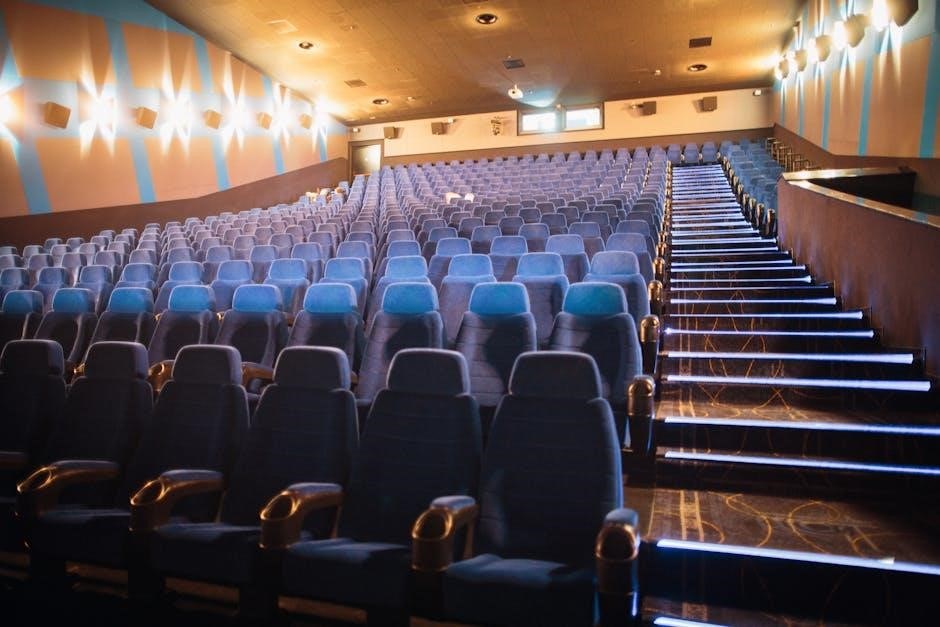
While still elevated, the central location minimizes the angling often associated with side sections. However, the chart also highlights potential limitations regarding legroom in certain rows. Careful review of the PDF’s annotations is recommended, particularly for those requiring extra space. Elevator access, clearly indicated on the chart, ensures convenient access to the Second Tier for all attendees seeking these centrally-located seats.
Second Tier Side Section Seats
The Carnegie Hall seating chart PDF reveals that Second Tier Side sections offer a more angled view of the stage compared to the center. While potentially impacting the directness of the performance perspective, these seats often come with advantages like wider armrests or slightly more legroom – details confirmed within the PDF’s detailed annotations.
Patrons considering these seats should consult the chart for specific row and seat number recommendations, as view obstructions are occasionally noted. The PDF legend clearly marks any potential limitations. Elevator access, as indicated on the chart, provides convenient access to this tier; These seats can present a unique vantage point, offering a broader view of the stage and hall, though at a slight angle.
Dress Circle Seating
The Carnegie Hall seating chart PDF illustrates the Dress Circle as one of the more affordable options, situated high above the stage. However, the PDF also details that views from this level are significantly more distant and angled. Careful review of the chart is crucial, as some seats may have partially obstructed views, clearly marked with symbols within the PDF legend.
Accessibility to the Dress Circle is facilitated by elevators, as noted on the chart, making it a viable option for patrons with mobility concerns. While the distance impacts the intimacy of the performance, the Dress Circle offers a unique perspective of the hall’s architecture. The PDF provides seat-specific details regarding legroom and potential restrictions, aiding informed decision-making.
Dress Circle Center Section Seats
According to the Carnegie Hall seating chart PDF, the Dress Circle’s center sections generally offer the best views within this tier. While still distant from the stage, these seats provide a more head-on perspective compared to the side sections, minimizing the angling effect. The PDF highlights that seats closer to the center aisle typically boast better sightlines.
However, the chart also indicates potential for limited legroom in certain rows within the center section. Patrons should consult the PDF’s detailed notes regarding specific seat numbers. Elevator access, as shown on the chart, is available for reaching the Dress Circle, ensuring accessibility. These seats represent a balance between affordability and viewing quality, making them a popular choice.
Dress Circle Side Section Seats
The Carnegie Hall seating chart PDF reveals that Dress Circle side section seats offer a more angled view of the stage. While generally more affordable than center sections, patrons should be aware of potential sightline obstructions, particularly for those further from the center aisle. The PDF details specific seat numbers that may have partially obstructed views.
Legroom can also be a concern in these areas, as indicated within the chart’s notes. Accessibility via elevators is available to reach the Dress Circle, as illustrated on the seating map. These seats can be a good option for budget-conscious attendees who prioritize overall experience over a perfectly centered view, but careful review of the PDF is crucial.
Judy and Arthur Zankel Hall Seating
Explore Zankel Hall’s seating options using the Carnegie Hall seating chart PDF, detailing the main floor and balcony layouts for optimal event enjoyment.
Zankel Hall General Layout
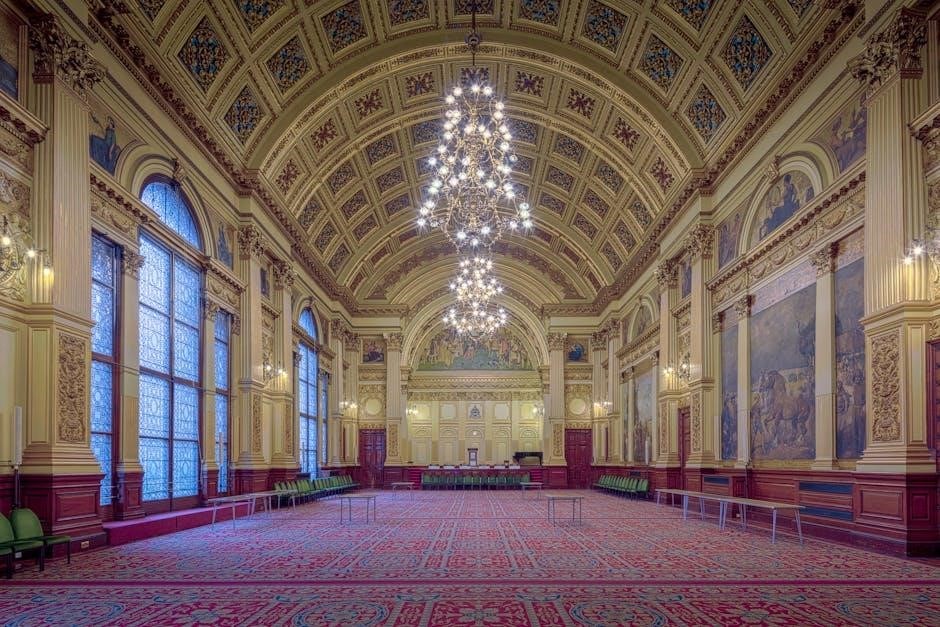
Judy and Arthur Zankel Hall presents a more intimate concert experience compared to the grand Isaac Stern Auditorium. The Carnegie Hall seating chart PDF clearly illustrates Zankel Hall’s configuration, which is designed to prioritize acoustics and audience proximity to the performers. This hall features a shoebox-shaped design, renowned for its exceptional sound quality.
The seating is generally divided into a main floor section and a balcony. The main floor offers a relatively flat seating arrangement, providing good sightlines from most positions. The balcony, while smaller, provides an elevated perspective of the stage. When consulting the PDF, pay attention to the seating tiers and their corresponding views. The chart will help you understand the hall’s dimensions and how different seats relate to the stage. Understanding this layout is crucial for selecting seats that best suit your preferences, whether you prioritize being close to the stage or enjoying a broader view.
Zankel Hall Main Floor Seating
Zankel Hall’s main floor seating, as depicted in the Carnegie Hall seating chart PDF, offers a fantastic experience for concertgoers. This section generally provides the most direct and immersive connection to the performance. Seats are arranged in a fairly level configuration, ensuring good sightlines throughout. The PDF will detail specific row numbers and seat designations, allowing you to pinpoint optimal locations.
Generally, seats closer to the center of the main floor are considered premium, offering the most balanced sound and unobstructed views. However, even seats slightly off-center can provide an excellent experience due to the hall’s exceptional acoustics. The chart will also indicate any potential obstructions or limited legroom areas. Reviewing the PDF carefully will help you identify seats that align with your preferences, ensuring a comfortable and enjoyable concert experience within this intimate venue.
Zankel Hall Balcony Seating
The balcony seating in Judy and Arthur Zankel Hall, as illustrated in the Carnegie Hall seating chart PDF, presents a more affordable option while still delivering a quality listening experience. While further from the stage than main floor seats, the balcony offers a unique perspective and generally good acoustics. The PDF will clearly delineate row numbers and seat locations within the balcony section.
It’s crucial to consult the chart for potential sightline restrictions, as some balcony seats may have partially obstructed views. However, many seats provide a clear and enjoyable view of the performance. The balcony is typically accessed via elevators, as indicated on the chart. Consider your preference for proximity to the stage and budget when selecting balcony seats, utilizing the detailed information within the Carnegie Hall seating chart PDF to make an informed decision.

Key Considerations When Choosing Seats
Review the Carnegie Hall seating chart PDF for accessibility options, obstructed views, and legroom details; companion seats and transfer policies are also vital for planning.
Accessibility at Carnegie Hall
Carnegie Hall is dedicated to providing an inclusive experience for all patrons. When consulting the Carnegie Hall seating chart PDF, note that elevator access is conveniently available to the Parquet level, the Blavatnik Family First Tier, the Second Tier, and the Dress Circle within the Isaac Stern Auditorium/Ronald O. Perelman Stage.
Patrons requiring wheelchair accommodations or those with other accessibility needs should contact Carnegie Hall directly at 212-247-7800 to discuss optimal seating options. The venue offers designated wheelchair spaces and companion seating.
Detailed information regarding accessibility services, including assistive listening devices and large-print programs, can also be found on the Carnegie Hall website, carnegiehall.org. Careful review of the seating chart PDF, combined with direct communication with Carnegie Hall, ensures a comfortable and enjoyable concert experience for everyone.
Obstructed View Seats & Legroom Restrictions
When reviewing the Carnegie Hall seating chart PDF, be aware that some seats may have partially obstructed views or limited legroom. The PDF, when available, may indicate seats with potential sightline restrictions, though it’s always best to confirm directly with Carnegie Hall.
Specifically, certain locations might be affected by the stage structure or balcony railings. Additionally, some seats, particularly those near aisles or in the rear of sections, could offer less legroom than others.
Patrons concerned about these factors should inquire about specific seat details when purchasing tickets or by contacting Carnegie Hall at 212-247-7800. They can clarify if a seat has known obstructions or limited space, ensuring a comfortable viewing experience. Careful planning avoids disappointment!
Companion Seats & Transfers
Carnegie Hall facilitates companion seating to allow attendees to enjoy events together. While the official seating chart PDF doesn’t explicitly detail companion seat availability, contacting Carnegie Hall directly (212-247-7800) is crucial for arranging adjacent or nearby seating for companions.
Regarding ticket transfers, Carnegie Hall’s policies allow for transfers under certain conditions. The specifics regarding transfer deadlines and procedures aren’t detailed within the seating chart PDF itself.
Therefore, it’s essential to consult Carnegie Hall’s website (carnegiehall.org) or contact their customer service for the most up-to-date information on transfer options. Understanding these policies ensures a smooth and enjoyable experience for both ticket holders and their companions.
Accessing the Official Carnegie Hall Seating Chart PDF
Find the free, updated Carnegie Hall seating chart PDF online at carnegiehall.org! Explore detailed seating maps for Isaac Stern and Zankel Hall easily.
Where to Find the PDF Online
Locating the official Carnegie Hall seating chart in PDF format is straightforward, ensuring you have the most accurate information before your event. The primary source for this valuable resource is the Carnegie Hall official website: carnegiehall.org. Navigate to the website’s event pages or search directly for “seating chart PDF.”
Typically, the PDF is linked within the event details, providing a venue-specific map. You can also often find a general seating chart overview accessible from the site’s help or venue information sections. Ensure the PDF you download is current, as seating arrangements can occasionally change based on the performance.
For direct assistance or if you encounter difficulties finding the chart, don’t hesitate to contact Carnegie Hall directly at 212-247-7800. Their customer service team can guide you to the correct resource or even email you a copy of the seating chart PDF.
Understanding the PDF Legend & Symbols
Decoding the Carnegie Hall seating chart PDF requires understanding its legend and symbols, ensuring you select the best possible seats. The PDF utilizes distinct markings to indicate various seat qualities and accessibility features. Look for symbols denoting obstructed views, which may partially block the stage.
Symbols also highlight seats with restricted legroom, crucial for taller patrons. Column indicators show elevator access points to Parquet, Blavatnik Family First Tier, Second Tier, and Dress Circle levels. Reserved seating for The Carnegie Hall Corporation (12 seats) is clearly marked.
Pay attention to color-coding, often representing different price tiers or seating sections. The chart details capacity – 70 for Parterre boxes and 381 for Stage Parterre. Familiarizing yourself with these symbols guarantees a comfortable and enjoyable concert experience at Carnegie Hall.
Contacting Carnegie Hall for Seating Assistance
Should the PDF seating chart leave you with lingering questions, or if you require personalized assistance, Carnegie Hall offers multiple avenues for direct support. Their dedicated team is readily available to clarify any uncertainties regarding seat locations, accessibility, or specific venue layouts.
You can reach Carnegie Hall directly via phone at 212-247-7800. Their representatives can provide detailed insights into seat views and address concerns about potential obstructions or legroom limitations.
Alternatively, visit their official website, carnegiehall.org, for comprehensive information and frequently asked questions. For in-person assistance, visit their box office located at 57th Street and Seventh Avenue, New York, NY 10019. Don’t hesitate to connect – they are committed to ensuring a seamless and enjoyable concert experience for every patron.