

AP Biology Unit 2 Study Guide: A Comprehensive Plan
This guide offers a structured approach to mastering Unit 2, focusing on cellular structure and function, utilizing resources like Marco Learning and AP Bio Penguins.
Overview of Unit 2: Cellular Structure and Function
Unit 2 delves into the foundational building blocks of life – cells! It’s a comparatively “low key” unit, meaning the core concepts are accessible, but crucial for understanding subsequent topics. You’ll explore the fundamental differences between prokaryotic and eukaryotic cells, dissecting their structures and how these relate to their functions.
A significant focus is on the plasma membrane, examining its composition (the phospholipid bilayer) and how its fluidity impacts cellular processes. Understanding cell transport mechanisms – both passive (diffusion, osmosis) and active (pumps, bulk transport) – is paramount. Finally, the unit introduces cellular compartmentalization, highlighting the roles of organelles like the endoplasmic reticulum, Golgi apparatus, lysosomes, mitochondria, and chloroplasts.
Importance of Unit 2 for the AP Exam
Unit 2 serves as a cornerstone for many subsequent AP Biology topics. A solid grasp of cellular structure and function is essential for understanding processes in units covering metabolism, genetics, and even evolution. The AP exam frequently tests your ability to apply these concepts, not just memorize them.
Expect questions requiring you to analyze experimental data related to membrane transport or organelle function. Free-response questions (FRQs) often demand a detailed understanding of cellular processes. While seemingly straightforward, mastering Unit 2 allows you to build a strong foundation, improving your performance across the entire exam. Don’t underestimate its importance – consistent review and practice are key!
Key Concepts in Unit 2
Central to Unit 2 are the distinctions between prokaryotic and eukaryotic cells, and the intricate workings of the plasma membrane. Understanding membrane fluidity, the roles of phospholipids and proteins, and various transport mechanisms – both passive and active – is crucial.
Furthermore, mastering cell communication, including different signaling types and transduction pathways, is vital. Finally, a thorough knowledge of cellular compartmentalization, specifically the functions of organelles like the ER, Golgi apparatus, lysosomes, mitochondria, and chloroplasts, will set you up for success. These concepts interrelate, so focus on understanding the ‘big picture’.
Cell Structure: Prokaryotic vs. Eukaryotic Cells
Prokaryotic cells, like bacteria and archaea, lack a nucleus and other membrane-bound organelles. Their DNA resides in a nucleoid region. Eukaryotic cells, found in plants, animals, fungi, and protists, do possess a nucleus housing their DNA, alongside specialized organelles.
Key differences include size – eukaryotes are generally larger – and complexity. Eukaryotic cells exhibit internal compartmentalization, enhancing efficiency. Understanding these structural variations is fundamental, as it dictates cellular function and evolutionary relationships. Focus on identifying the defining characteristics of each cell type and how these relate to their respective roles.
Membrane Structure and Function
The plasma membrane is a crucial boundary, composed of a phospholipid bilayer with embedded proteins. This bilayer’s fluidity is vital for membrane function, influenced by temperature and fatty acid composition. Membrane proteins perform diverse roles: transport, enzymatic activity, signal reception, and intercellular joining.
Understanding the structure-function relationship is key. Proteins facilitate molecule passage, while others act as receptors. Membrane permeability dictates what enters and exits the cell. Mastering these concepts is essential for grasping cell transport and communication mechanisms, foundational to AP Biology’s Unit 2.
Phospholipid Bilayer and Membrane Fluidity
Phospholipids, with their hydrophilic heads and hydrophobic tails, spontaneously arrange into a bilayer – the core of the plasma membrane. This structure creates a barrier to water-soluble substances. Membrane fluidity, however, isn’t static; it’s influenced by temperature and the fatty acid composition of the phospholipids.
Unsaturated fats introduce kinks, increasing fluidity, while saturated fats pack tightly, reducing it. Cholesterol acts as a buffer, maintaining stability across temperatures. Understanding these factors is crucial, as fluidity impacts protein function and membrane permeability, directly affecting cellular processes.
Membrane Proteins and Their Roles
Membrane proteins perform diverse functions essential for cell life. Transport proteins facilitate substance movement across the membrane, while enzymes catalyze reactions. Receptor proteins bind signaling molecules, initiating cellular responses. Cell recognition proteins identify cells, crucial for immune function.
These proteins can be integral (embedded within the bilayer) or peripheral (loosely attached). Their arrangement creates a “mosaic” – the fluid mosaic model. Understanding protein structure and function is vital for grasping cell communication, transport mechanisms, and overall cellular activity.
Cell Transport Mechanisms
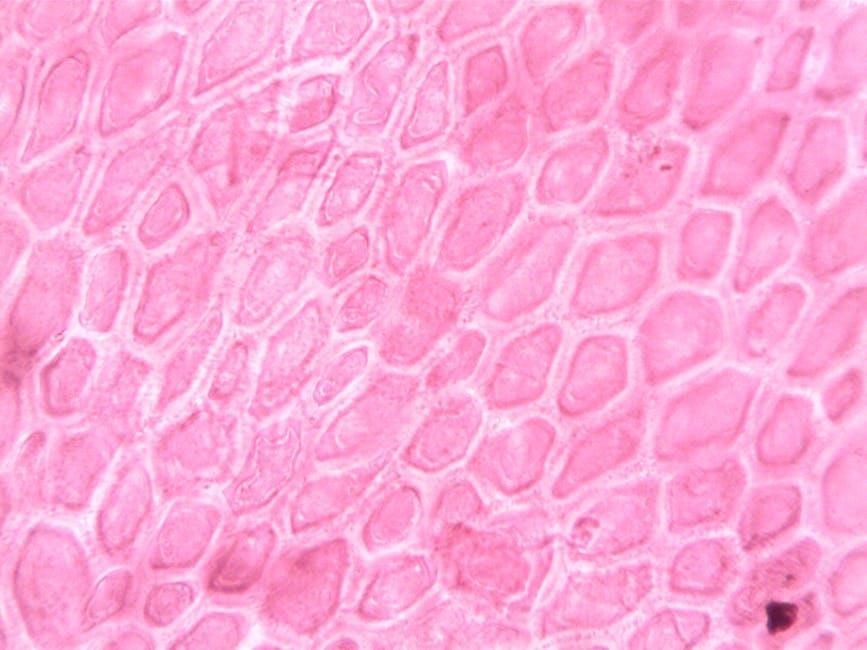
Cell transport governs the movement of substances across the cell membrane, crucial for maintaining homeostasis. This occurs via passive transport – requiring no energy – and active transport – demanding energy expenditure. Passive transport includes diffusion (movement down a concentration gradient) and osmosis (water diffusion).
Active transport utilizes pumps to move substances against their gradient, and bulk transport (endocytosis & exocytosis) for larger molecules. Mastering these mechanisms is key to understanding cellular processes and how cells interact with their environment. Practice questions on CrackAP and Quizlet will solidify your understanding.

Passive Transport: Diffusion and Osmosis
Passive transport relies on the natural tendency of molecules to move from areas of high to low concentration, requiring no cellular energy. Diffusion is this movement of any substance, while osmosis specifically concerns water movement across a selectively permeable membrane.
Understanding water potential and tonicity (hypotonic, hypertonic, isotonic) is vital for predicting osmotic movement. These processes are fundamental to cell function, impacting everything from nutrient uptake to waste removal. Utilize Marco Learning videos to visualize these concepts and reinforce your knowledge with practice questions.
Active Transport: Pumps and Bulk Transport
Active transport mechanisms require energy, typically ATP, to move substances against their concentration gradient. Pumps, like the sodium-potassium pump, are crucial for maintaining cellular gradients. Bulk transport encompasses endocytosis and exocytosis – processes for moving larger molecules.
Endocytosis brings materials into the cell (phagocytosis & pinocytosis), while exocytosis releases materials from the cell. Mastering these concepts is key for understanding cellular communication and nutrient acquisition. Supplement your learning with Quizizz games for quick content checks and CrackAP practice questions for application.
Cell Communication
Cell communication is vital for coordinating cellular activities. This involves various types of signaling, including direct contact, paracrine, endocrine, and synaptic signaling. Understanding how cells receive and respond to signals is crucial. Signal transduction pathways convert extracellular signals into intracellular responses, often involving a cascade of molecular events.

These pathways frequently include receptors, second messengers, and ultimately, changes in gene expression or cellular activity. Utilize Marco Learning videos to grasp these complex processes and reinforce your understanding with practice questions from resources like Quizlet.

Types of Cell Signaling
Cell signaling encompasses diverse methods cells use to communicate. Direct contact relies on physical interaction, while paracrine signaling affects nearby cells. Endocrine signaling utilizes hormones for long-distance communication, and synaptic signaling is specific to neurons. Each method employs different signaling molecules and pathways.
Understanding these distinctions is key for the AP exam. Focus on how distance and target cells influence the signaling type. Supplement your learning with Marco Learning’s explanations and practice identifying each type in various scenarios. Quizizz games can provide quick checks on your comprehension.
Signal Transduction Pathways
Signal transduction pathways convert extracellular signals into intracellular responses. These pathways typically involve reception, where a signaling molecule binds to a receptor, followed by transduction, a multi-step process often involving kinases and second messengers. Finally, there’s a response, altering cellular activity.
Mastering these pathways is crucial for FRQs. Focus on understanding how phosphorylation cascades amplify signals. Utilize YouTube videos and practice questions from CrackAP to solidify your knowledge. Remember application is key; practice predicting pathway outcomes given specific scenarios.
Cellular Compartmentalization: Organelles and Their Functions
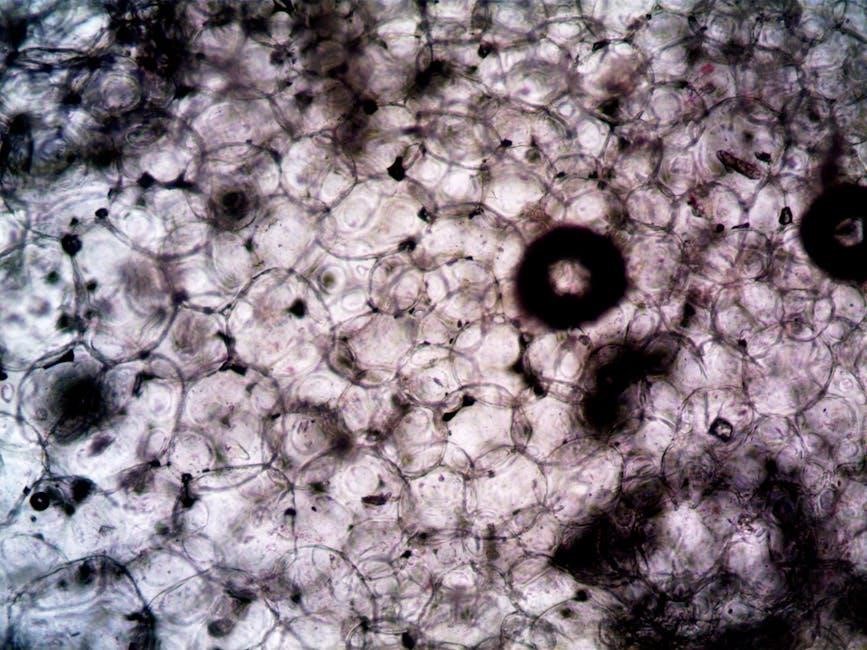
Cellular compartmentalization, achieved through organelles, enhances efficiency by localizing functions. The Endoplasmic Reticulum (ER) – rough (ribosomes) and smooth (lipid synthesis) – plays vital roles. The Golgi Apparatus processes and packages proteins. Lysosomes are responsible for intracellular digestion, breaking down waste.
Mitochondria generate ATP via cellular respiration, while Chloroplasts (in plants) conduct photosynthesis. Understanding each organelle’s structure and function is essential. Utilize Marco Learning videos for comprehensive reviews and Quizizz games for quick content checks.
Endoplasmic Reticulum (ER) – Rough and Smooth
The Endoplasmic Reticulum (ER) is a network crucial for various cellular processes. Rough ER, studded with ribosomes, is vital for protein synthesis and modification, particularly those destined for secretion or membranes. These proteins fold and are quality-checked here.
Smooth ER lacks ribosomes and specializes in lipid synthesis, carbohydrate metabolism, and detoxification of drugs and poisons. It’s essential for producing membranes and storing calcium ions. Mastering the distinctions between these two ER types is key for understanding cellular function.
Golgi Apparatus: Processing and Packaging
The Golgi Apparatus functions as the cellular “post office,” receiving proteins and lipids from the ER, further processing and modifying them, and then packaging them into vesicles for transport. It has a distinct polarity, with a cis face receiving transport vesicles and a trans face shipping them out.
Modification includes glycosylation – adding carbohydrate chains. Vesicles bud off the Golgi, delivering contents to other organelles or the plasma membrane for secretion. Understanding this processing and packaging is vital for comprehending cellular communication and protein targeting.
Lysosomes: Intracellular Digestion
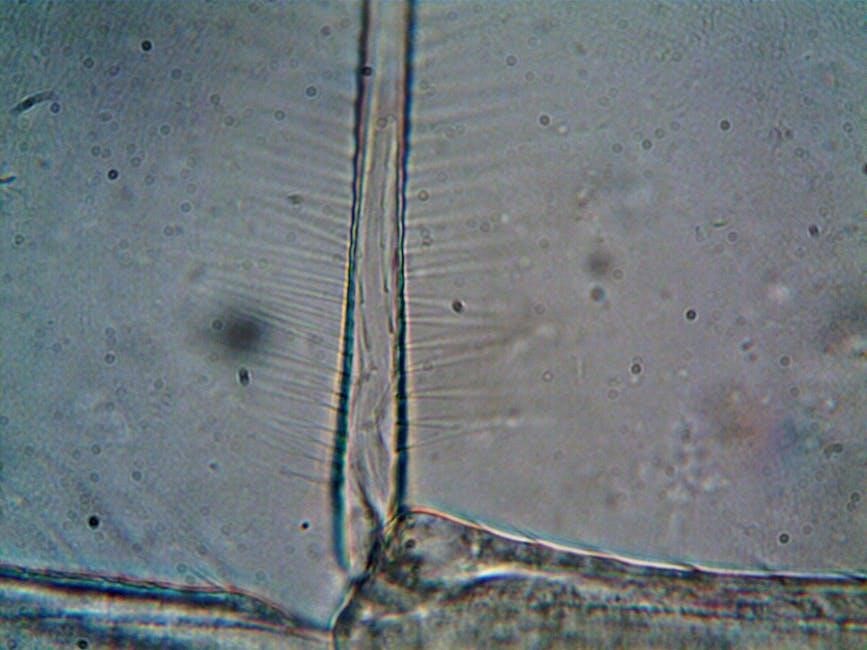
Lysosomes are membrane-bound organelles acting as the cell’s digestive system. They contain hydrolytic enzymes that break down macromolecules – proteins, carbohydrates, lipids, and nucleic acids – through hydrolysis. This process recycles cellular components and digests materials brought into the cell via phagocytosis.
Lysosomes maintain an acidic internal environment, optimal for enzyme function. They are crucial for autophagy, the self-eating process removing damaged organelles. A malfunctioning lysosome can lead to storage diseases, highlighting their importance in cellular health and function.
Mitochondria: Cellular Respiration
Mitochondria are often called the “powerhouses” of the cell, responsible for generating ATP through cellular respiration. These double-membrane organelles have a smooth outer membrane and a highly folded inner membrane called cristae, increasing surface area for ATP production.
Cellular respiration involves glycolysis, the Krebs cycle, and the electron transport chain. Mitochondria utilize oxygen to break down glucose, releasing energy stored in ATP molecules. Their structure directly supports this function, maximizing efficiency. Understanding mitochondrial function is key to understanding energy flow in biological systems.
Chloroplasts: Photosynthesis (if applicable)
Chloroplasts are the sites of photosynthesis in plant cells and some algae. These organelles contain chlorophyll, a pigment that captures light energy. Like mitochondria, chloroplasts have a double membrane structure, with internal stacks of thylakoids called grana.
Photosynthesis converts light energy, water, and carbon dioxide into glucose and oxygen. This process is vital for producing the energy that fuels most ecosystems. Understanding the structure of chloroplasts – including the stroma and thylakoid membranes – is crucial for grasping the mechanisms of light-dependent and light-independent reactions.
Cellular Respiration and Photosynthesis Connection
Cellular respiration and photosynthesis are fundamentally linked processes. Photosynthesis utilizes light energy to convert carbon dioxide and water into glucose and oxygen, effectively storing energy. Conversely, cellular respiration breaks down glucose in the presence of oxygen to release energy in the form of ATP, producing carbon dioxide and water as byproducts.
This creates a cyclical relationship: the products of photosynthesis are the reactants of cellular respiration, and vice versa. Understanding this connection is vital for comprehending energy flow within ecosystems and the interdependence of organisms. Both processes rely on electron transport chains and chemiosmosis for ATP production.
Practice Resources for Unit 2
Numerous resources are available to reinforce your understanding of Unit 2. Marco Learning provides comprehensive review videos, offering detailed explanations of key concepts. Quizizz Games & AP Bio Penguins offer engaging, low-stakes practice to assess content knowledge and identify areas needing further review. These are excellent for quick spot-checks.
For more rigorous practice, CrackAP practice questions provide exam-style challenges, while Quizlet offers flashcards and learning tools for memorization. Utilizing a combination of these resources – videos, games, and practice questions – will maximize your preparation and build confidence for the AP exam.
Marco Learning Videos
Marco Learning offers dedicated review videos specifically for AP Biology Unit 2, clocking in at approximately 52 minutes and 38 seconds. These videos provide a thorough overview of cellular structure and function, breaking down complex topics into manageable segments. They are designed to complement your textbook and class notes, offering a different perspective on the material.
The videos emphasize key concepts and potential exam questions, helping you focus your study efforts. Supplementing your learning with Marco Learning’s resources can significantly improve your understanding and retention of Unit 2’s content, ultimately boosting your AP exam performance.
Quizizz Games & AP Bio Penguins
AP Bio Penguins provides access to a collection of Quizizz game codes, offering a fun and interactive way to assess your understanding of Unit 2 material. These games serve as a “spot check” for your content knowledge, quickly identifying areas where you may need further review. They’re particularly useful when recovering from stress or needing a break from traditional studying.
Quizizz allows for self-paced practice and immediate feedback, reinforcing key concepts in a low-pressure environment. Utilizing these resources alongside more in-depth study methods can enhance retention and build confidence for the AP Biology exam.
CrackAP Practice Questions & Quizlet
CrackAP offers a valuable resource for honing your application skills, crucial for success on the AP Biology exam’s Free Response Questions (FRQs). Supplementing your content review with practice questions from CrackAP will help you translate knowledge into effective problem-solving.
Quizlet provides flashcards and various study modes for memorizing key terms and concepts related to Unit 2. Combining CrackAP’s application-based questions with Quizlet’s memorization tools creates a well-rounded study approach. Consistent practice with both resources will significantly improve your preparedness and boost your confidence.